Darknet Markets 2026:
The dark web is part of the deep web but is built on darknets: overlay networks that sit on the internet but which can't be accessed without special tools or software like Tor. Tor is an anonymizing software tool that stands for The Onion Router — you can use the Tor network via Tor Browser.
| Darknet Market | Established | Total Listings | Link |
|---|---|---|---|
| TorZon Market | 2022 | 140+ | Onion Link |
| Nexus Market | 2024 | 600+ | Onion Link |
| Abacus Market | 2022 | 100+ | Onion Link |
| Ares | 2026 | 100+ | Onion Link |
| Cocorico | 2023 | 110+ | Onion Link |
Updated 2026-09-20
How Darknet Markets Offer Global Shopping for Drugs
Darknet sites function as international marketplaces, effectively removing geographical barriers to commerce. A buyer in one country can seamlessly purchase goods from a vendor located on another continent. This global reach is facilitated by the underlying infrastructure of the network, which routes connections through multiple relays, obscuring the physical location of both servers and users.
The model operates on principles similar to those of major surface web e-commerce platforms, but with a focus on privacy. Vendors maintain digital storefronts where they list available products. These listings are comprehensive, often including:
- high-resolution photographs
- detailed descriptions of chemical composition or potency
- precise weight measurements
This level of detail allows for informed decision-making, creating a transparent environment where product quality is a primary factor for commercial success. The system's design ensures steady operation and reliable access for a dispersed international user base, fostering a consistent and predictable trading environment.
Private Crypto Payments for Secure Darknet Commerce
The operational model of a modern darknet site is fundamentally dependent on the financial privacy provided by cryptocurrencies. These digital currencies enable a private payment system that functions without the oversight of traditional banking institutions. Transactions are recorded on a public ledger, the blockchain, but the identities of the parties involved are concealed behind cryptographic addresses. This separation of financial activity from personal identity is a primary feature, allowing for discreet commercial exchange.
Monero (XMR) is often prioritized over Bitcoin for its enhanced privacy features. While Bitcoin transactions are pseudonymous and can potentially be traced through blockchain analysis, Monero uses advanced cryptographic techniques to obfuscate transaction details by default. This includes hiding the sender, receiver, and transaction amount, making it the preferred currency for users seeking maximum financial opacity. The use of such currencies transforms the payment process into a secure and anonymous transfer of value.
The integration of cryptocurrency payments with darknet escrow services creates a secure framework for transactions. Funds are held by the platform until the buyer confirms receipt of goods, which mitigates the risk of fraud for both parties. This system leverages the irreversible nature of cryptocurrency transfers while adding a layer of procedural security, ensuring that payments are only finalized upon satisfactory completion of the order. The combination of anonymous currency and secured escrow establishes a reliable economic environment for digital commerce.
How Escrow Keeps Darknet Deals Fair
The fundamental challenge in any remote transaction, especially on a darknet, is the lack of inherent trust between a buyer and a seller. The escrow service acts as a neutral third party to resolve this. When a buyer places an order, the payment in cryptocurrency is sent to a wallet controlled by the escrow service, not directly to the vendor. The funds are held securely in this escrow wallet until the buyer confirms satisfactory receipt of the goods.
This mechanism protects both parties. The seller is assured that the buyer has committed the funds and cannot simply cancel the payment after receiving the product. More significantly, it protects the buyer from fraudulent vendors who might otherwise accept payment and never ship the order. Only after the buyer releases the funds from escrow does the seller receive the payment. This creates a powerful financial incentive for the vendor to fulfill the order as described.
In cases of dispute, such as a non-delivery or a product not matching its listing, the buyer can open a dispute resolution case. Here, a moderator, often an experienced member of the platform's staff, will review communication and evidence from both sides before adjudicating the release of the escrowed funds. This structured process replaces potential conflict with a governed procedure, making the marketplace more stable and predictable for all users. The widespread adoption of escrow is a primary reason modern darknet markets can sustain high-volume, reliable commercial activity.
How Ratings Make Darnet Drug Buying Safer
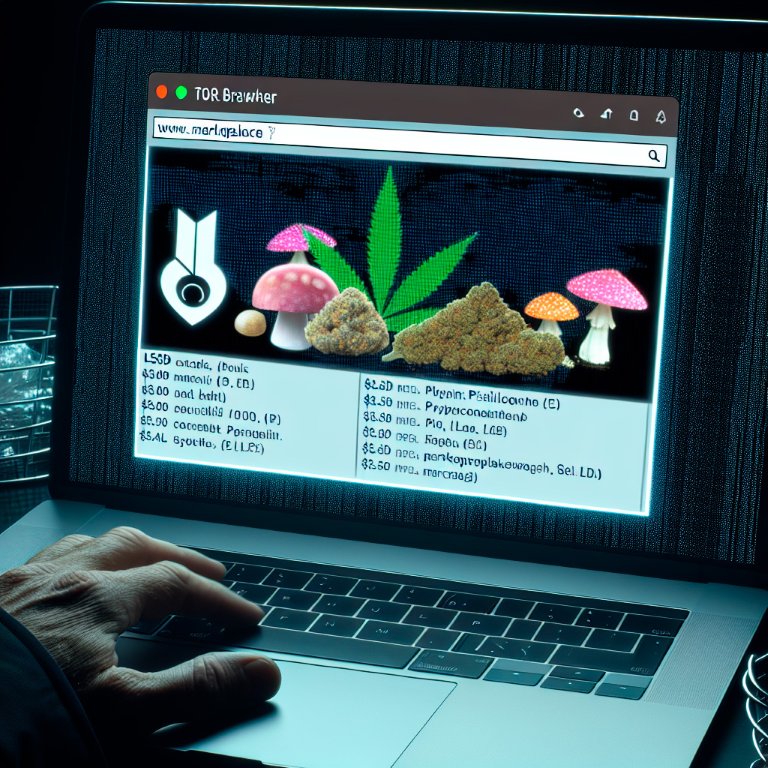
The reputation system on a darknet site functions as a decentralized mechanism for quality assurance. Each transaction concludes with the buyer leaving detailed feedback, which includes a numeric score and often a written review describing the product's accuracy, shipping speed, and communication. This collective intelligence is aggregated into a vendor's public profile, creating a transparent performance history.
A vendor with hundreds of positive ratings demonstrates consistent reliability, making them a lower-risk choice. The feedback is not merely binary; it provides nuanced data on specific product batches, allowing buyers to make informed decisions based on recent performance. This system incentivizes vendors to maintain high standards, as their commercial viability depends directly on their accumulated reputation. Disputes or negative reviews are publicly visible, warning the community and pushing vendors to resolve issues to protect their standing.
The result is a self-regulating marketplace where trust is quantifiable. New users can rely on the experiences of others, reducing the uncertainty inherent in anonymous trade. This feedback loop creates a stable environment where reputable vendors thrive, directly linking their business success to customer satisfaction.
Clear Listings Build Trust on the Darknet
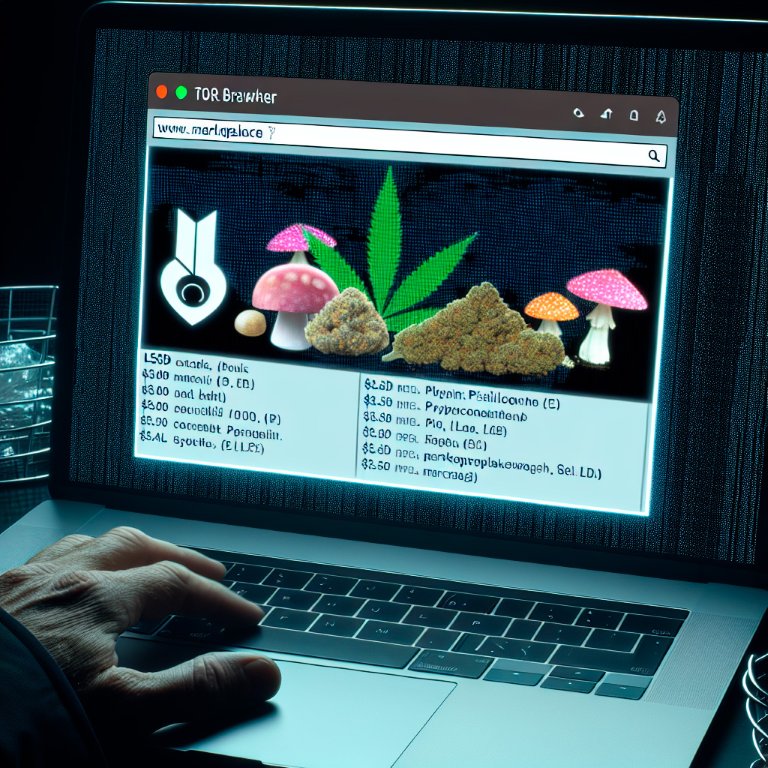
The quality of a darknet marketplace is fundamentally determined by the clarity and depth of its product listings. These are not simple advertisements but comprehensive data sheets that enable a rational purchasing decision. A standard high-quality listing functions as a de facto product specification, systematically eliminating uncertainty for the buyer.
Essential information is presented in a structured format, typically including:
- Precise substance identification with common and chemical names.
- Net weight or unit count, verified by the vendor.
- Country of dispatch for logistics estimation.
- A detailed product description covering appearance, expected effects, and recommended dosage.
This data allows for direct comparison between vendors. Photographic evidence is critical, with vendors providing multiple timestamped images of the actual product, often next to a handwritten note containing the marketplace name and date. This practice verifies possession of the advertised goods and establishes vendor credibility. Furthermore, listings detail shipping options, packaging techniques for stealth, and the vendor's refund or reship policy in case of non-delivery. This transparency transforms the transaction from a gamble into a calculated procurement based on verifiable parameters, directly contributing to marketplace stability and user satisfaction.
How Darknet Markets Stay Reliable for Buyers
The operational resilience of a darknet site is not accidental but a product of deliberate architectural choices. A decentralized infrastructure, often relying on globally distributed servers and the Tor network, ensures that the platform remains accessible despite external pressures. This design eliminates single points of failure, making sustained takedowns logistically complex.
Financial continuity is maintained through the exclusive use of cryptocurrencies. Transactions are recorded on a public blockchain, yet the identities of the transacting parties remain pseudonymous. This creates a financial ecosystem that is both transparent in its ledger and private in its participants, facilitating seamless and borderless commerce.
The platform's stability is further reinforced by its self-regulating economic model. Key components include:
- Escrow services that withhold payment until the buyer confirms satisfactory receipt of goods, directly aligning the vendor's incentive with honest fulfillment.
- A reputation system where detailed vendor ratings and buyer feedback create a transparent record of performance, allowing the community to collectively vet reliability.
- Detailed product listings with standardized descriptions, photographs, and batch information reduce transactional uncertainty and post-purchase disputes.
This triad of escrow, reputation, and information creates a feedback loop where trustworthy vendors thrive and poor actors are systematically marginalized by the user base. The system is engineered for autonomous equilibrium, where community-driven moderation and automated financial safeguards work in concert to maintain a stable and predictable trading environment. This design prioritizes operational security and transactional certainty, forming the backbone of a persistent marketplace.
User Reviews Keep Drugs High-Quality on the Darknet
The operational integrity of a darknet marketplace is fundamentally dependent on the quality of goods traded. This quality is not assured by a central authority but is instead crowd-sourced through rigorous community feedback mechanisms. Every transaction concludes with a structured review system where buyers evaluate the vendor on specific criteria.
These reviews typically cover:
- The accuracy of the product description versus what was received.
- The purity and potency of the substance, often verified by community members with testing kits.
- The professionalism of the vendor in packaging and stealth shipping.
- The speed and reliability of the delivery process.
This feedback is aggregated into public vendor rating scores, creating a transparent and continuously updated performance record. A vendor with consistently high ratings and positive detailed reviews builds a reputation for reliability, which directly translates into more business. Conversely, a pattern of negative feedback regarding product quality or misrepresentation alerts the community and typically results in a loss of sales or removal from the platform via moderator intervention. The system creates a self-regulating environment where economic incentives align with quality assurance; vendors are financially motivated to maintain high standards to preserve their reputation and ranking. This feedback loop transforms individual transaction experiences into a collective knowledge base, allowing new buyers to make informed decisions based on historical data rather than marketing claims.

How Darknet Markets Build Trust for Safer Trade
The operational framework of a modern darknet marketplace is fundamentally designed around user security and transactional efficiency. This model prioritizes discretion and reliability through integrated systems that empower the buyer. The process begins with comprehensive product listings, which include high-resolution photographs, detailed substance specifications, and clear terms set by the vendor. This level of detail allows for informed decision-making, mirroring the transparency expected in conventional e-commerce.
Financial privacy is maintained through the exclusive use of cryptocurrencies like Bitcoin or Monero. Payments are not sent directly to the vendor but are held in a platform-managed escrow service. This system acts as a neutral third party, releasing funds to the seller only after the buyer confirms satisfactory receipt of the goods. It effectively eliminates the risk of fraudulent schemes where payment is made without delivery.
Trust within the ecosystem is cultivated and maintained by a robust feedback and rating system. After each completed transaction, users can leave detailed reviews and score the vendor on metrics such as product quality, stealth of shipping, and communication. This creates a self-regulating environment where vendors with high ratings and positive reviews gain more business, incentivizing consistent and high-quality service. Poor performance is quickly reflected in a vendor's reputation, protecting the community from unreliable actors.
The entire architecturefrom encrypted access and anonymous currency to escrow and reputation metricsforms a cohesive, user-centric model. It shifts risk from the individual to the system's built-in safeguards, facilitating a secure and predictable exchange environment for all participants.